The Complete E-Commerce Development Guide for Australian Businesses
A practical guide to building an online store that converts visitors into customers, based on our experience delivering e-commerce projects across Australia.
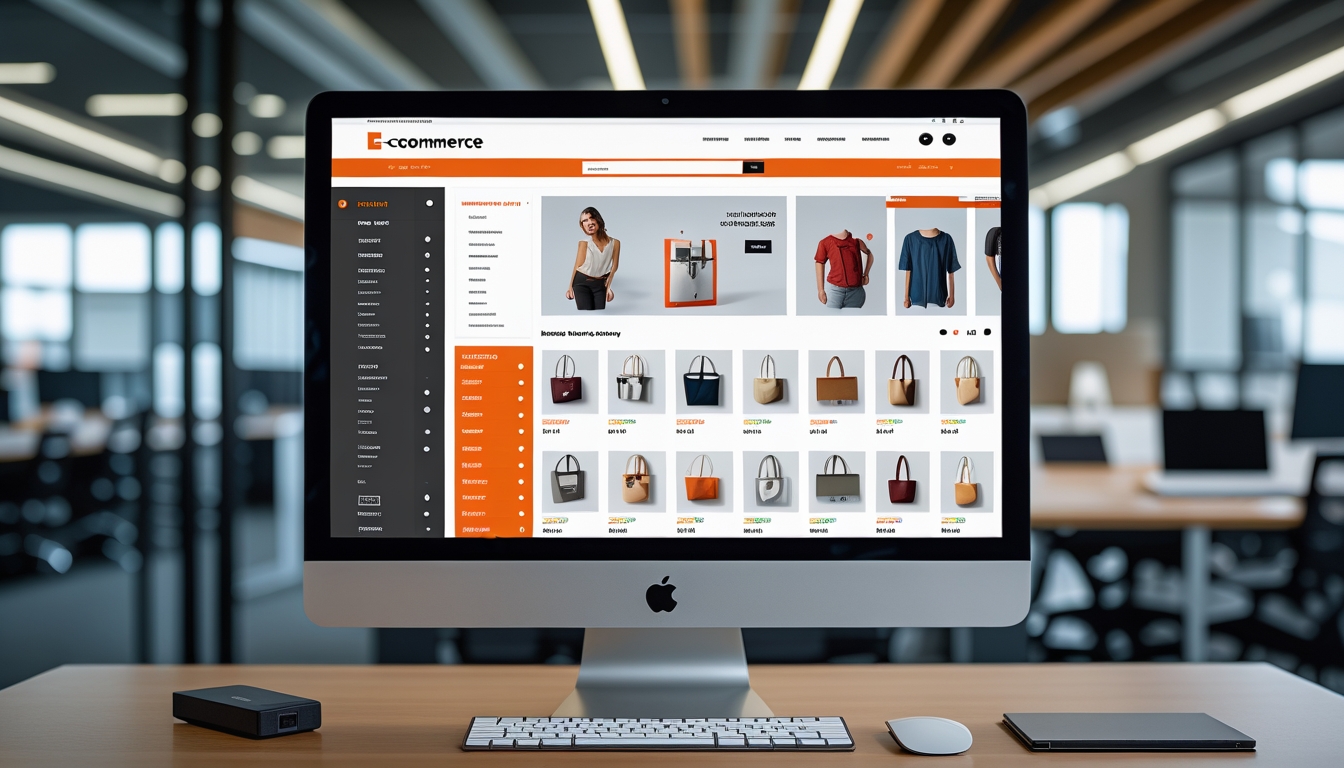
E-commerce in Australia has grown dramatically, and the expectations of online shoppers have grown with it. Australian consumers expect fast-loading stores, seamless mobile experiences, transparent shipping costs, and the payment methods they prefer. Building an e-commerce site that meets these expectations requires careful planning across platform selection, design, payment processing, shipping integration, and ongoing optimisation. At BuildLane Dev, we have built online stores for Brisbane businesses ranging from boutique retailers to wholesale distributors. This guide captures what we have learned about building e-commerce sites that actually sell.
Choosing the Right Platform
The platform you choose will shape every aspect of your online store, from development cost to ongoing maintenance to the features available to you. The three most common options for Australian businesses are Shopify, WooCommerce on WordPress, and custom-built solutions. Each has distinct strengths and trade-offs that make it suitable for different situations.
Shopify is our recommendation for most small to medium businesses launching their first online store. It handles hosting, security, PCI compliance, and payment processing out of the box, allowing you to focus on products and marketing rather than technical infrastructure. The monthly subscription cost is offset by the reduced need for development and maintenance. Shopify's app ecosystem provides solutions for most common requirements, from email marketing to inventory management to loyalty programs. Where Shopify falls short is in customisation. While themes can be modified, you are ultimately working within Shopify's framework, and some design or functionality requirements may be difficult or impossible to achieve.
WooCommerce, built on WordPress, offers significantly more flexibility than Shopify. You have full control over your hosting environment, complete access to the codebase, and thousands of plugins to extend functionality. For businesses with complex product configurations, custom pricing rules, or unique checkout flows, WooCommerce provides the flexibility to build exactly what you need. The trade-off is responsibility. You manage your own hosting, security updates, plugin compatibility, and performance optimisation. For businesses with ongoing development support, this is manageable. For businesses without technical resources, it can become a burden.
Custom-built e-commerce solutions make sense for businesses with requirements that no existing platform can satisfy. Subscription-based models with complex billing rules, marketplace platforms connecting multiple sellers with buyers, or stores with highly specialised product configuration tools may need a custom solution. The development cost is significantly higher, but you get exactly what you need with no compromise.
Designing for Conversion
An e-commerce site has one primary goal: converting visitors into customers. Every design decision should be evaluated through this lens. Product pages should present clear, high-quality images from multiple angles, detailed product descriptions that answer common questions, and a prominent add-to-cart button. Pricing should be immediately visible, and any additional costs like shipping should be transparent before the customer reaches checkout.
Trust signals are critical for conversion, especially for brands that shoppers may not recognise. Customer reviews, security badges, clear return policies, and visible contact information all reduce the perceived risk of purchasing from an unfamiliar store. We place trust elements throughout the shopping experience, not just on a single trust page that most visitors will never find.
The checkout process should be as streamlined as possible. Every additional step or form field in your checkout is an opportunity for the customer to abandon their purchase. Guest checkout should always be available, because forcing account creation before purchase is one of the most common causes of cart abandonment. Address autocomplete, saved payment methods for returning customers, and clear progress indicators all reduce friction in the checkout flow.
Mobile commerce now accounts for the majority of e-commerce traffic in Australia, and the mobile shopping experience needs to be every bit as polished as the desktop experience. This means touch-friendly navigation, easy-to-tap buttons, streamlined mobile checkout with support for digital wallets like Apple Pay and Google Pay, and fast load times on cellular connections.
Payment Processing in Australia
Australian shoppers expect to pay with credit and debit cards, and increasingly with buy-now-pay-later services. Stripe is our preferred payment gateway for most projects due to its developer-friendly API, comprehensive fraud protection, competitive pricing, and support for Australian dollars. It handles PCI compliance on your behalf, which is a significant burden removed from your development and operations process.
Afterpay and Zip are widely used buy-now-pay-later services in Australia, and offering them can increase average order values by 20 to 30 percent for certain product categories. Younger shoppers in particular expect buy-now-pay-later options, and their absence can be a reason to shop elsewhere. Both services integrate with Shopify and WooCommerce through official plugins and with custom solutions through their APIs.
PayPal remains popular with Australian shoppers who prefer not to enter their card details on unfamiliar sites. While it adds another payment option to manage, the trust it provides for first-time customers often justifies the integration effort. For businesses selling to international customers, PayPal also simplifies currency conversion and cross-border transactions.
Shipping and Fulfilment
Shipping is where many Australian e-commerce businesses lose sales. High shipping costs and long delivery times are the two most cited reasons for cart abandonment after price. Integrating with Australia Post, Sendle, or other carriers through their APIs allows you to show real-time shipping rates at checkout, so customers see accurate costs before committing to purchase. Flat-rate shipping is simpler to implement and easier for customers to understand, but it requires careful calculation to ensure you are not absorbing excessive shipping costs on heavy or remote orders.
Free shipping thresholds are a proven strategy for increasing average order values. If your average order is seventy dollars and your average shipping cost is ten dollars, setting a free shipping threshold at one hundred dollars encourages customers to add more items to their cart. The additional margin on those extra items often more than covers the shipping cost you absorb.
Performance and SEO
Page speed directly impacts e-commerce conversion rates. Studies consistently show that every additional second of load time reduces conversion rates by 7 to 10 percent. For e-commerce sites, performance optimisation should focus on image compression and lazy loading, minimising render-blocking JavaScript, efficient use of caching, and fast server response times. Product images are typically the largest assets on e-commerce pages, and serving properly sized images in modern formats like WebP can dramatically reduce page weight.
SEO for e-commerce requires attention to technical fundamentals and content strategy. Product pages need unique, descriptive title tags and meta descriptions. Category pages should have informative introductory content, not just product listings. Product descriptions should be original and detailed, not copied from manufacturer specifications that appear on dozens of competing sites. Schema markup for products, reviews, and pricing helps search engines understand your content and can result in rich snippets in search results that increase click-through rates.
Key Takeaways
Building a successful e-commerce site requires more than putting products online. Choose a platform that matches your business complexity and technical resources. Design every page with conversion in mind, minimising friction and building trust. Offer the payment methods Australian shoppers expect, including buy-now-pay-later options. Integrate shipping to provide transparent, competitive rates. Optimise performance because speed directly impacts revenue. And invest in SEO and content because organic search remains the most cost-effective source of e-commerce traffic over time. At BuildLane Dev, we approach e-commerce as a business problem, not just a technical one, and that perspective shapes every decision we make.
Ready to Launch Your Online Store?
We build e-commerce websites that convert visitors into customers. Let us help you sell online.
Get a Quote